Female Hormone & Metabolism Test
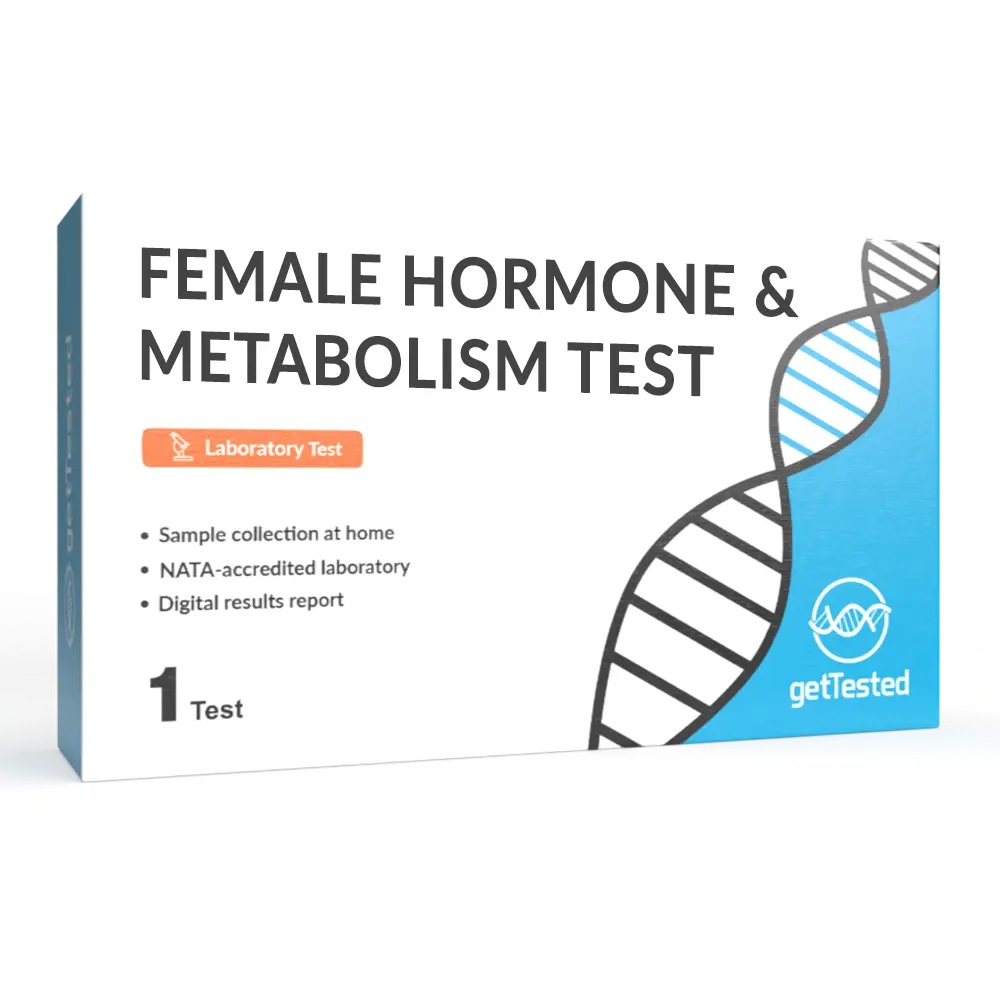
Our most complete female hormone panel. At-home dried-urine test of oestrogen metabolites, androgens and cortisol rhythms, analysed in a NATA-accredited AU lab.
Product details: AUD 659 — InStock — SKU 1501 — GetTested
About this test – Female Hormone & Metabolism Test
What is measured?
Estrogens & metabolites: Estradiol (E2), Estrone (E1), Estriol (E3), and key pathways such as 2-OH, 4-OH, and 16α-OH
Progesterone metabolites: Pregnanediol and related metabolites
Androgens: DHEA, testosterone and related androgen markers
Cortisol (diurnal): Free cortisol measured across multiple time points throughout the day
Melatonin (diurnal): Melatonin levels measured at different times of day
Environmental markers: Selected endocrine disruptors such as BPA and PFAS, plus heavy metals
Organic acids: Selected markers related to metabolism
When is this test relevant?
Hormonal symptoms such as PMS, irregular cycles, or mood changes
Fatigue, low energy, or disrupted sleep patterns
Suspected hormonal imbalance or changes related to perimenopause or menopause
Interest in understanding daily hormone rhythms (cortisol and melatonin)
Digestive issues or interest in metabolic function
Sensitivity to environmental factors or interest in how these may influence hormones
When looking for a more in-depth hormone assessment beyond standard testing
When previous hormone tests have not provided clear answers
How it works
Collect a dried urine sample at home
Send your sample to the laboratory using the prepaid return envelope
Your sample is analysed using advanced laboratory methods at a NATA-accredited laboratory, following ISO 15189 standards
Receive your digital results within 7 days
You can also use our AI-based chat to help interpret your results.
Key information
Sample type: Dried urine
Markers: Estrogens and their metabolites, progesterone metabolites, androgens, cortisol (diurnal), melatonin (diurnal), selected organic acids, environmental markers (e.g. BPA, PFAS)
Focus: Hormonal balance, circadian rhythms, and related metabolic processes
Turnaround time: 7 days from when the lab receives your sample
Results: Delivered digitally
Laboratory: NATA-accredited laboratory (ISO 15189)
Shipping: Return shipping included
Before you test
For best results, avoid certain foods and preservatives for 48 hours prior to sample collection, as these may influence some of the measured compounds.
It is also recommended to pause supplements for 48 hours before collection, unless otherwise advised by your healthcare provider. Do not discontinue prescribed medications without consulting your physician.
For menstruating individuals, collect your sample during days 19–22 of a typical 28-day cycle (luteal phase), unless otherwise instructed. Instructions for irregular cycles are included in the kit.
Accredited Laboratory
Your sample is analysed at a NATA-accredited laboratory, operating in accordance with ISO 15189 standards for medical testing. This ensures that all analyses are performed using validated methods and strict quality control procedures.
Biomarkers included – Female Hormone & Metabolism Test
- Estradiol (E2): Primary Estrogens — Estradiol is the most biologically active form of estrogen in the body. It plays a central role in reproductive health, regulating the menstrual cycle, ovulation, and fertility. Estradiol also affects bone density, cardiovascular health, brain function, and metabolism. Levels vary throughout the menstrual cycle and across different life stages such as puberty, pregnancy, and menopause. Measuring e
- Estriol (E3): Primary Estrogens — Estriol is a naturally occurring estrogen and the weakest of the three primary estrogens. It is produced in small amounts in non-pregnant individuals but becomes the dominant estrogen during pregnancy, as it is generated through interactions between the placenta and the fetus. Estriol reflects aspects of estrogen metabolism and hormone turnover. Measuring estriol can help provide a broader picture
- Estrogen Quotient, E3 / (E1 + E2): Primary Estrogens — Estrogen Quotient, E3 / (E1 + E2) reflects how estriol (E3) compares with the stronger estrogens estradiol (E2) and estrone (E1). Estriol is generally considered a weaker estrogen, while estradiol and estrone have stronger estrogenic activity. A lower Estrogen Quotient means the estrogen pattern is more weighted toward E1 and E2 rather than E3. This can be relevant when assessing estrogen metaboli
- Estrone (E1): Primary Estrogens — Estrone is one of the three main forms of estrogen produced in the body. It is synthesized primarily from androgens in fat tissue and becomes the dominant estrogen after menopause. Estrone can be converted into estradiol or further metabolized into various estrogen metabolites. Measuring estrone helps provide insight into overall estrogen production and balance, particularly in relation to age, bo
- 2-Hydroxyestrone: Estrogen Metabolism, Phase 1 Hydroxylation — 2-Hydroxyestrone is produced when estrone undergoes hydroxylation at the 2-position during estrogen metabolism. It is part of the 2-hydroxylation pathway, one of the main metabolic routes for estrogen processing. This metabolite can be further converted into 2-methoxyestrone through methylation reactions. Measuring 2-hydroxyestrone provides insight into estrogen metabolism patterns and how estrone
- 16-Hydroxyestrone: Estrogen Metabolism, Phase 1 Hydroxylation — 16-Hydroxyestrone (16-OHE1) is a metabolite of estrone, which is a type of estrogen hormone. It is formed in the liver and other tissues and plays a role in the metabolism and elimination of estrogens. Elevated levels can be associated with certain health conditions.
- 2-Hydroxy(E1+E2)/16-Hydroxy E1: Estrogen Metabolism, Phase 1 Hydroxylation — This biomarker represents the ratio of specific estrogen metabolites found in the body. It is important in assessing estrogen metabolism and is often used as part of a panel to evaluate hormonal balance, particularly in women's health, and to understand potential associations with certain health conditions.
- 2-Hydroxyestradiol: Estrogen Metabolism, Phase 1 Hydroxylation — 2-Hydroxyisobutyric Acid is a metabolite associated with exposure to methyl tert-butyl ether (MTBE), a fuel additive used in gasoline that may contribute to environmental pollution and air contamination.
- 4-Hydroxyestrone: Estrogen Metabolism, Phase 1 Hydroxylation — 4-Hydroxyestrone is generated when estrone undergoes hydroxylation at the 4-position during estrogen metabolism. Like other hydroxylated metabolites, it represents an intermediate step before further methylation or elimination. Monitoring 4-hydroxyestrone provides information about how estrone is metabolized and which pathways are active in estrogen breakdown.
- 4-Hydroxyestradiol: Estrogen Metabolism, Phase 1 Hydroxylation — 4-Hydroxyestradiol is a metabolite formed when estradiol is metabolized through the 4-hydroxylation pathway. This pathway represents another route by which the body processes estrogens before further modification and elimination. The metabolite can be converted into methylated forms such as 4-methoxyestradiol. Measuring 4-hydroxyestradiol helps evaluate how estradiol is being processed through dif
- 2-Methoxy E1/2-Hydroxy E1: Estrogen Metabolism, Phase 2 Methylation — 2-Methoxy E1 and 2-Hydroxy E1 are metabolites of estrone (an estrogen hormone) that are produced in the body. Measuring the ratio of these metabolites can provide insights into how estrogen is being processed and cleared, potentially influencing disease risk.
- 2-Methoxyestradiol: Estrogen Metabolism, Phase 2 Methylation — 2-Methoxyestradiol is a methylated metabolite formed when 2-hydroxyestradiol undergoes a methylation reaction, typically involving the enzyme catechol-O-methyltransferase (COMT). This process represents a secondary step in estrogen metabolism that helps convert hydroxylated metabolites into more stable forms for elimination. Measuring 2-methoxyestradiol provides information about the efficiency of
- 2-Methoxyestrone: Estrogen Metabolism, Phase 2 Methylation — 2-Methoxyestrone is produced when 2-hydroxyestrone is methylated as part of phase II estrogen metabolism. Methylation reactions help the body further process estrogen metabolites so they can be more easily excreted. Monitoring 2-methoxyestrone can help assess how effectively the body is carrying out this secondary detoxification step within estrogen metabolism.
- 4-Methoxyestrone: Estrogen Metabolism, Phase 2 Methylation — 4-Methoxyestrone is a methylated estrogen metabolite formed when 4-hydroxyestrone undergoes a methylation reaction during phase II estrogen metabolism. This step is typically catalyzed by the enzyme catechol-O-methyltransferase (COMT), which helps convert reactive hydroxylated estrogen metabolites into more stable forms that can be eliminated from the body. Measuring 4-methoxyestrone provides insi
- 4-Methoxy E1/4-Hydroxy E1: Estrogen Metabolism, Phase 2 Methylation — 4-Methoxy E1 and 4-Hydroxy E1 are metabolites of estradiol, a primary estrogen. Their levels can be utilized to assess estrogen metabolism, which is relevant for understanding reproductive health and potentially for monitoring conditions influenced by estrogen levels.
- 4-Methoxy E2/4-Hydroxy E2: Estrogen Metabolism, Phase 2 Methylation — 4-Methoxy E2 and 4-Hydroxy E2 are metabolites of estradiol (estrogen). Their measurement can provide insights into estrogen metabolism pathways and may be associated with various hormone-related conditions.
- 4-Methoxyestradiol: Estrogen Metabolism, Phase 2 Methylation — 4-Methoxyestradiol is a methylated metabolite formed when 4-hydroxyestradiol undergoes methylation. This reaction is part of the body’s process of converting reactive hydroxylated estrogen metabolites into more stable compounds that can be cleared from the body. Measuring 4-methoxyestradiol helps provide insight into how the 4-hydroxylation pathway metabolites are being further processed and elimi
- 20a-Dihydroprogesterone: Progesterone Metabolism — 20a-Dihydroprogesterone (20a-DHP) is a naturally occurring steroid hormone that is primarily derived from progesterone. It plays a role in reproductive cycles and is involved in the breakdown and metabolism of progesterone.
- 3a-Dihydroprogesterone: Progesterone Metabolism — 3a-Dihydroprogesterone (3α-DHP) is a metabolite of progesterone, a key hormone involved in the menstrual cycle and pregnancy. Its levels can provide insights into the activity of enzymes responsible for steroid metabolism and can potentially be used to assess certain endocrine disorders or reproductive conditions.
- Progesterone (serum equivalent): Progesterone Metabolism — Progesterone is a crucial steroid hormone primarily involved in the menstrual cycle, pregnancy, and embryogenesis in females. Measuring serum progesterone levels helps assess ovulation, monitor pregnancy, and diagnose certain reproductive health conditions.
- Pregnanediol/Estradiol: Progesterone Metabolism — Pregnanediol is a metabolite of progesterone, while estradiol is a primary estrogen. Measuring both can provide insights into the balance of sex hormones, which play crucial roles in reproductive health, menstrual cycles, and pregnancy. Elevated or decreased levels can indicate various hormonal imbalances or conditions affecting fertility or reproductive function.
- Allopregnanediol: Progesterone Metabolism — Allopregnanediol is a neurosteroid metabolite derived from progesterone. It plays a crucial role in the central nervous system by modulating the activity of GABA-A receptors, which are involved in calming and sedative effects. Elevated or reduced levels can be associated with various neurological and psychiatric conditions.
- Corticosterone: Progesterone Metabolism — Corticosterone is a steroid hormone produced by the adrenal glands. It plays a crucial role in regulating the body's stress response, metabolism, and immune function. Measuring corticosterone levels can help assess adrenal gland activity and diagnose conditions related to stress or hormone imbalance.
- Allopregnanolone: Progesterone Metabolism — Allopregnanolone is a neurosteroid, a type of hormone produced in the brain and adrenal glands. It plays a crucial role in regulating mood, anxiety, and sleep by interacting with GABA receptors. Elevated or reduced levels of allopregnanolone can be associated with various neurological and psychiatric conditions.
- Pregnanediol: Progesterone Metabolism — Pregnanediol is a metabolite of progesterone, a key hormone in the female reproductive system. Measuring pregnanediol levels can help assess progesterone production by the ovaries and adrenal glands, providing insights into ovulation, pregnancy, and certain hormonal imbalances.
- Deoxycorticosterone: Progesterone Metabolism — Deoxycorticosterone (DOC) is a steroid hormone produced by the adrenal glands. It plays a crucial role in regulating salt and water balance in the body, which impacts blood pressure. Elevated levels can indicate adrenal gland disorders like Cushing's syndrome or hyperaldosteronism.
- 5a-Androstanediol: Primary Androgens — 5a-Androstanediol, also known as androstanediol, is a steroid metabolite of testosterone. It is an androgenic compound that plays a role in the development and maintenance of male secondary sexual characteristics, and its levels can reflect androgen activity in the body.
- Epi-Testosterone: Primary Androgens — Epi-testosterone is a naturally occurring metabolite of testosterone. Measuring its levels can help assess androgen metabolism and the activity of specific enzymes involved in steroid hormone production.
- Testosterone: Primary Androgens — Testosterone is the primary male sex hormone, although it is also produced in smaller amounts in women. It plays a crucial role in male reproductive development, muscle mass, bone density, and sex drive. In women, testosterone contributes to libido, muscle mass, and bone health. Imbalances can lead to various issues, including decreased libido, erectile dysfunction (in men), fatigue, loss of muscl
- Androsterone: Primary Androgens — Androsterone is a weak androgen hormone, a type of steroid hormone produced in the adrenal glands and testes. It is a metabolite of testosterone and dehydroepiandrosterone (DHEA), and its levels can be used to assess androgen production and function.
- Dihydrotestosterone (DHT): Primary Androgens — Dihydrotestosterone (DHT) is a potent androgen hormone derived from testosterone. It plays a crucial role in the development and maintenance of male characteristics, including hair growth, prostate function, and muscle development. Elevated DHT levels can be associated with conditions like male pattern baldness and benign prostatic hyperplasia.
- DHEA-S: Primary Androgens — DHEA-S is a hormone produced mainly by the adrenal glands and serves as a precursor to sex hormones, including androgens and estrogens. Compared with DHEA, DHEA-S is more stable in the bloodstream and is therefore commonly measured to evaluate adrenal androgen production. Levels typically peak in early adulthood and gradually decline with age. Elevated DHEA-S may be seen in conditions associated w
- Etiocholanolone: Primary Androgens — Etiocholanolone is a type of steroid hormone produced from the breakdown of other hormones in the body. It's important because its levels can provide insights into how your body is metabolizing androgens and can be used in the evaluation of certain adrenal and ovarian disorders.
- Androstenedione: Primary Androgens — Androstenedione is a steroid precursor hormone produced by the adrenal glands and gonads that is converted into more potent androgens like testosterone and estrogens. It is an essential biomarker for assessing adrenal function and diagnosing conditions related to hyperandrogenism, such as Polycystic Ovary Syndrome (PCOS) or congenital adrenal hyperplasia.
- DHEA: Primary Androgens — DHEA (dehydroepiandrosterone) is a hormone produced by the adrenal glands and acts as a precursor to sex hormones. Measuring DHEA in saliva reflects the body’s active hormone levels, providing insight into immediate DHEA production. This measurement is useful for assessing adrenal health, aging, and the risk of chronic conditions.
- 5a-Reductase Activity (Androsterone/Etiocholanolone): Key Androgen Ratios — This biomarker measures the activity of the enzyme 5-alpha-reductase, which converts testosterone into dihydrotestosterone (DHT) and androstenedione into androsterone or etiocholanolone. Elevated activity can be linked to conditions like benign prostatic hyperplasia (BPH) and androgenetic alopecia (hair loss), making its assessment important for understanding androgen metabolism.
- DHEA Production (DHEA + Androsterone + Etiocholanolone): Key Androgen Ratios — This biomarker measures the production of DHEA (dehydroepiandrosterone) and its metabolites, androsterone and etiocholanolone. These are androgens, or male sex hormones, that are produced by the adrenal glands and play a role in metabolism, immune function, and the development of secondary sex characteristics in both men and women.
- Testosterone/Epi-Testosterone Ratio: Key Androgen Ratios — The Testosterone/Epi-Testosterone Ratio measures the relative amounts of testosterone and its inactive isomer, epitestosterone, in the body. This ratio is a key indicator used in sports doping control to detect the illicit use of anabolic steroids, as synthetic testosterone can disrupt the body's natural production and alter this ratio.
- Chromium: Endocrine Disruptors and Metals — Chromium (Cr), in trace amounts, is an essential nutrient that supports glucose metabolism and insulin function. While beneficial in its nutritional form, certain types — such as hexavalent chromium (Cr⁶⁺) — are highly toxic and carcinogenic. Excessive exposure can harm the skin, respiratory system, and kidneys, leading to serious health complications.
- Mercury: Endocrine Disruptors and Metals — Mercury is a naturally occurring heavy metal found in certain products such as thermometers and dental fillings. While low exposure is generally harmless, excessive levels can be toxic, affecting the nervous, digestive, and immune systems. High mercury exposure may cause symptoms like tremors, sleep disturbances, and cognitive impairment, and it poses significant environmental risks, particularly
- Lead: Endocrine Disruptors and Metals — Lead is a toxic heavy metal with no beneficial role in the human body. Exposure to lead can cause serious health problems, especially affecting the nervous system. Even low levels of lead can impact multiple body systems, with children being particularly vulnerable to developmental delays and cognitive impairments.
- Polyfluoroalkyl Substances (PFAS): Endocrine Disruptors and Metals — Polyfluoroalkyl Substances (PFAS) are a group of man-made chemicals found in numerous consumer and industrial products. Because they do not break down easily, they can accumulate in the body and the environment, and are associated with various adverse health effects, making their detection important for monitoring exposure.
- Bisphenol A (BPA): Endocrine Disruptors and Metals — Bisphenol A is an industrial chemical commonly used in the production of certain plastics and resins, including polycarbonate plastics and epoxy coatings found in food containers and packaging materials. BPA is considered an endocrine-active compound because it can interact with estrogen receptors and influence hormone signaling pathways. Measuring BPA levels in urine can help assess environmental
- Perfluorooctane Sulphonic Acid (PFOS): Endocrine Disruptors and Metals — Perfluorooctanesulfonic acid (PFOS) is a long chain PFAS compound historically used in stain resistant coatings, firefighting foams, industrial products and water resistant materials. PFOS is notable because it can remain in the body for a long time and may accumulate with repeated exposure. Higher levels may be relevant because PFOS has been studied in relation to immune response, thyroid hormone
- Aluminium: Endocrine Disruptors and Metals — Aluminum (Al) is a harmful heavy metal that can pose health risks to the human body. Exposure to excessive levels of aluminum, often through diet or environmental sources, has been linked to neurotoxicity and may be associated with conditions such as Alzheimer's disease. Monitoring and reducing aluminum exposure is important for supporting overall health and well-being.
- Cadmium: Endocrine Disruptors and Metals — Cadmium (Cd) is a toxic heavy metal with no beneficial role in the human body. Prolonged exposure to cadmium can cause serious health problems, including kidney damage, weakened bones, and a higher risk of cancer. Because cadmium accumulates in the body over time, even low-level exposure poses a concern for long-term health.
- Arsenic: Endocrine Disruptors and Metals — Arsenic is a naturally occurring element that can be highly toxic to humans. Found in soil, water, and certain industrial materials, it disrupts normal cellular processes and is classified as a carcinogen. Even at low levels, arsenic exposure can pose significant risks to health, affecting multiple organs and systems.
- Perfluorooctanoic Acid (PFOA): Endocrine Disruptors and Metals — Perfluorooctanoic acid (PFOA) is a PFAS compound historically used in non stick coatings, water resistant materials and industrial processes. It is important because PFOA can persist in the environment and remain in the body for a long time. Higher levels may suggest cumulative exposure and are generally considered unfavourable because PFOA has been discussed in relation to kidney, endocrine, repr
- Nickel: Endocrine Disruptors and Metals — Nickel (Ni) is a naturally occurring metal and widely used industrial element. In trace amounts, it is generally harmless, but excessive exposure can cause health issues such as skin irritation, allergic dermatitis, and respiratory problems. Nickel is also classified as a potential carcinogen, with higher risks observed in occupational environments where exposure levels are elevated.
- Metabolised Cortisol (THF + THE): Urinary Glucocorticoids — Metabolised cortisol, specifically Tetrahydrocortisol (THF) and Tetrahydrocortisone (THE), represents the breakdown products of cortisol, the body's primary stress hormone. Measuring these metabolites provides a more comprehensive assessment of cortisol production and metabolism than measuring cortisol itself alone, offering insights into adrenal gland function and potential stress-related disorde
- Total Cortisol/Cortisone Ratio: Urinary Glucocorticoids — The Total Cortisol/Cortisone Ratio measures the balance between cortisol, the active stress hormone, and cortisone, its inactive form. A shift in this ratio can indicate how effectively your body is converting cortisone back to cortisol, which is crucial for regulating metabolism, immune response, and stress adaptation.
- 11b-HSD Index (THF/THE Ratio): Urinary Glucocorticoids — The 11b-HSD Index (THF/THE Ratio) is a measure derived from urinary metabolites that reflects the activity of the enzyme 11-beta-hydroxysteroid dehydrogenase (11b-HSD). This enzyme plays a crucial role in regulating cortisol activity within the body, making this index important for assessing adrenal function and metabolic health.
- Tetrahydrocortisol (THF): Urinary Glucocorticoids — Tetrahydrocortisol (THF) is a major inactive metabolite of cortisol, the body's primary stress hormone. Measuring THF levels can help assess the body's overall cortisol production and the efficiency of its metabolism, providing insights into adrenal gland function and stress response.
- Total Cortisone: Urinary Glucocorticoids — Total cortisone, a corticosteroid hormone, is the sum of free cortisone and cortisone that is bound to proteins in the blood. Cortisone is a key player in the body's stress response, influencing metabolism, immune function, and inflammation. Measuring total cortisone provides an overall picture of the body's corticosteroid activity.
- Tetrahydrocortisone (THE): Urinary Glucocorticoids — Tetrahydrocortisone (THE) is a major inactive metabolite of cortisol, the body's primary stress hormone. Monitoring THE levels can provide insight into cortisol production and metabolism, reflecting the body's overall stress response and adrenal gland function.
- Total Cortisol: Urinary Glucocorticoids — Total cortisol is a measure of all cortisol circulating in the blood, including both free (active) cortisol and cortisol bound to proteins. It is a crucial steroid hormone produced by the adrenal glands that plays a vital role in regulating metabolism, immune response, and the body's reaction to stress.
- Cortisol, Morning: Free Cortisols — Cortisol is a steroid hormone produced by the adrenal glands, crucial for regulating stress response, metabolism, and immune function. Measuring morning cortisol levels provides a snapshot of the body's natural circadian rhythm and can help diagnose conditions like Cushing's syndrome or Addison's disease.
- Cortisol, Afternoon: Free Cortisols — Cortisol is a steroid hormone produced by the adrenal glands. Measuring afternoon cortisol levels helps assess the body's stress response and the function of the adrenal glands, as cortisol levels naturally follow a diurnal rhythm, being highest in the morning and lowest in the late afternoon/evening.
- Cortisol, Evening: Free Cortisols — Evening cortisol is a measurement of the stress hormone cortisol taken in the late evening. Cortisol levels naturally peak in the morning and decline throughout the day, reaching their lowest point in the evening, and this diurnal pattern is crucial for regulating sleep-wake cycles and managing stress.
- Cortisol, Midday: Free Cortisols — Cortisol is a steroid hormone produced by the adrenal glands. Measuring midday cortisol levels helps assess the body's natural diurnal rhythm and can indicate potential issues with the adrenal glands or the hypothalamic-pituitary-adrenal (HPA) axis.
- Cortisone, Morning: Free Cortisones — Morning cortisone is a measure of cortisol, a steroid hormone produced by the adrenal glands, released in the body's natural daily rhythm. High or low levels can indicate issues with the adrenal glands or the pituitary gland, impacting stress response, metabolism, and immune function.
- Melatonin, Midday: Urinary Melatonins — Melatonin is a hormone primarily produced by the pineal gland, crucial for regulating sleep-wake cycles. Measuring midday melatonin levels can help assess circadian rhythm disruptions and identify potential causes of insomnia or daytime sleepiness, as peak production typically occurs at night.
- Cortisone, Midday: Free Cortisones — Cortisone is a steroid hormone produced by the adrenal glands. Midday cortisone levels are important for assessing the body's natural rhythm of hormone production and the function of the adrenal glands, particularly in relation to the stress response and daily cycles.
- Cortisone, Afternoon: Free Cortisones — Cortisone, measured in the afternoon, is a form of cortisol, a stress hormone produced by the adrenal glands. Its levels naturally fluctuate throughout the day, with higher levels in the morning and a significant drop in the afternoon, reflecting the body's circadian rhythm. Measuring afternoon cortisone can help assess adrenal function and diagnose conditions related to cortisol production imbala
- Melatonin, Afternoon: Urinary Melatonins — Melatonin is a hormone produced by the pineal gland, primarily regulating the sleep-wake cycle. Measuring afternoon melatonin levels can provide insight into the timing of the body's internal clock and help assess circadian rhythm disturbances.
- Melatonin, Morning: Urinary Melatonins — Melatonin is a hormone primarily produced by the pineal gland, regulating sleep-wake cycles. Measuring morning melatonin levels can help assess the body's natural internal clock (circadian rhythm) and sleep patterns. Abnormal levels may indicate sleep disorders or disruptions to the circadian rhythm.
- Melatonin, Evening: Urinary Melatonins — Melatonin is a hormone primarily produced by the pineal gland in the brain, regulating the body's sleep-wake cycle (circadian rhythm). Evening melatonin levels are measured to assess the natural production and timing of this hormone, which is crucial for healthy sleep patterns.
- Cortisone, Evening: Free Cortisones — Cortisone is a steroid hormone produced by the adrenal glands, and its level in the blood typically follows a daily rhythm, being highest in the morning and lowest in the evening. Measuring evening cortisone can help assess the body's natural cortisol production cycle and diurnal variation, which is crucial for diagnosing conditions affecting the adrenal glands or the hypothalamic-pituitary-adrena
- Vanillylmandelic acid (VMA): Nutritional Organic Acids — Vanillylmandelic acid (VMA) is a metabolite formed from the breakdown of catecholamines such as adrenaline, noradrenaline, and dopamine. It is used as a clinical marker to assess catecholamine activity, with levels typically measured in urine. Various factors, including certain foods and medications, can influence VMA levels.
- Xanthurenic Acid: Nutritional Organic Acids — Xanthurenic Acid is a metabolite formed during the breakdown of the amino acid tryptophan through the kynurenine pathway. Its levels can reflect vitamin B6 (pyridoxine) status, as this vitamin acts as a vital cofactor in the process. Elevated xanthurenate may indicate a deficiency in vitamin B6.
- Methylmalonic acid (MMA): Nutritional Organic Acids — Methylmalonic acid (MMA) is a substance produced in the body during the metabolism of certain fats and proteins. It is a byproduct of methionine breakdown and is influenced by vitamin B12 levels. Elevated MMA levels can serve as an indicator of vitamin B12 deficiency.
- Kynurenic acid: Nutritional Organic Acids — Kynurenic acid is a metabolite formed in the kynurenine pathway during the breakdown of the amino acid tryptophan. It functions in the nervous system as a neuroprotective agent and is of interest in neurological and psychiatric research. Imbalances in kynurenic acid levels have been associated with conditions such as schizophrenia and depression.
- b-Hydroxyisovaleric Acid: Nutritional Organic Acids — b-Hydroxyisovaleric Acid (BIVA) is a metabolite produced during the breakdown of certain amino acids, primarily leucine. Elevated levels can indicate a deficiency in the mitochondrial enzyme isovaleryl-CoA dehydrogenase, which is crucial for metabolizing this compound. Monitoring BIVA is therefore important for diagnosing and managing isovaleric acidemia, a rare metabolic disorder.
- Homovanillic acid (HVA): Nutritional Organic Acids — Homovanillic acid (HVA) is a metabolite that reflects the breakdown of dopamine, a key neurotransmitter in the body. HVA levels serve as an important marker for evaluating dopamine activity. Changes in HVA can indicate shifts in dopamine function and are used to monitor the effectiveness of treatments targeting dopamine metabolism.
- Quinolinic acid: Nutritional Organic Acids — Quinolinic Acid is a metabolite involved in the kynurenine pathway and may be evaluated in relation to metabolic, inflammatory, and environmental processes.
- Indoleacetic Acid (IAA): Other Organic Acids — Indoleacetic Acid (IAA) is the primary and most abundant naturally occurring auxin, a plant hormone crucial for cell elongation, division, and differentiation. While primarily a plant growth regulator, IAA is also a metabolite produced by certain gut bacteria in humans, and its levels can be influenced by diet and gut microbiome composition.
- Pyroglutamic Acid: Other Organic Acids — Pyroglutamic acid is a breakdown product of glutathione, an important antioxidant in the body. Elevated levels can indicate oxidative stress or a deficiency in glutathione synthesis, potentially contributing to various health issues, including certain metabolic disorders and acquired toxic milk in infants.
- 8-hydroxy-deoxyguanosine: Other Organic Acids — 8-hydroxy-deoxyguanosine (8-OHdG) is a marker of oxidative DNA damage, specifically the oxidation of guanine, one of the DNA bases. Elevated levels of 8-OHdG in urine or blood can indicate increased exposure to reactive oxygen species and may be associated with an increased risk of various chronic diseases.
- Creatinine, Urine Afternoon: Urine Creatinine Markers — Urine creatinine is a waste product produced by muscle metabolism and is filtered out by the kidneys. Measuring creatinine in an afternoon urine sample helps assess kidney function and provides a baseline for interpreting other urine tests, as it accounts for variations in hydration levels throughout the day.
- Creatinine, Urine Evening: Urine Creatinine Markers — Urine creatinine is a waste product generated from muscle metabolism that is filtered and excreted by the kidneys. Measuring evening urine creatinine helps assess overall kidney function and can be used in conjunction with other timed urine collections to calculate excretion rates of specific substances, aiding in the diagnosis of kidney disease and monitoring treatment effectiveness.
- Creatinine, Urine Pooled: Urine Creatinine Markers — Creatinine is a waste product generated by muscle metabolism, and its concentration in urine can indicate how well the kidneys are filtering waste from the blood. Pooling urine over a 24-hour period provides a more accurate measure of daily creatinine excretion, helping to assess overall kidney function and urine collection completeness.
- Creatinine, Urine Midday: Urine Creatinine Markers — Creatinine is a waste product produced by normal muscle metabolism. Measuring creatinine in a midday urine sample helps standardize the concentration of urine, making it useful for assessing kidney function and detecting issues with how well the kidneys are filtering waste from the blood.
- Creatinine, Urine Morning: Urine Creatinine Markers — Creatinine is a waste product produced by muscle metabolism. Measuring its concentration in a morning urine sample helps assess kidney function and normalize the excretion of other substances measured in the same sample.
How to prepare – Female Hormone & Metabolism Test
Avoid excessive fluid intake the night before collection. Stop all non-essential supplements 48 hours prior unless otherwise directed by a practitioner. For cycle-specific testing, follow the manual for timing instructions.
Frequently asked questions – Female Hormone & Metabolism Test
How is dried urine different from a standard blood test?
The primary difference in a dried urine vs blood hormone test is the ability to measure metabolites. While blood presents a 'snapshot' of circulating hormones, dried urine shows how hormones are broken down and cleared by the body, providing a clearer view of estrogen clearance and the 24-hour cortisol rhythm.
What are the benefits of including organic acid markers?
One of the major organic acid testing benefits is the ability to see 'functional' deficiencies in B-vitamins, glutathione levels, and neurotransmitter turnover. This helps explain symptoms like fatigue or mood shifts that hormone levels alone might not fully clarify.
What symptoms indicate I should test my cortisol rhythm?
Common cortisol rhythm imbalance symptoms include feeling 'tired but wired' at night, morning exhaustion, and mid-section weight gain. This test maps four points throughout the day to identify if your HPA axis is functioning correctly.
What is the best day of my cycle to take this test?
For women with a regular 28-day cycle, the best window for collection is between days 19 and 22. This 'mid-luteal' phase captures the peak of progesterone to ensure an accurate estrogen-to-progesterone ratio.
Customer reviews – Female Hormone & Metabolism Test
4.8/5 (5)
- 4/5 — Good test but make sure you read the timing instructions for your cycle carefully before starting. Helpful data!
- 5/5 — Really happy with this test. Results were clear and easy to understand.
- 5/5 — The instructions made the collection look simple and it only took a few minutes.
- 5/5 — Results came back in exactly 6 days. Great insight into my cortisol levels.
- 5/5 — Way more convenient than going to a lab for blood work.