Hair Mineral Analysis
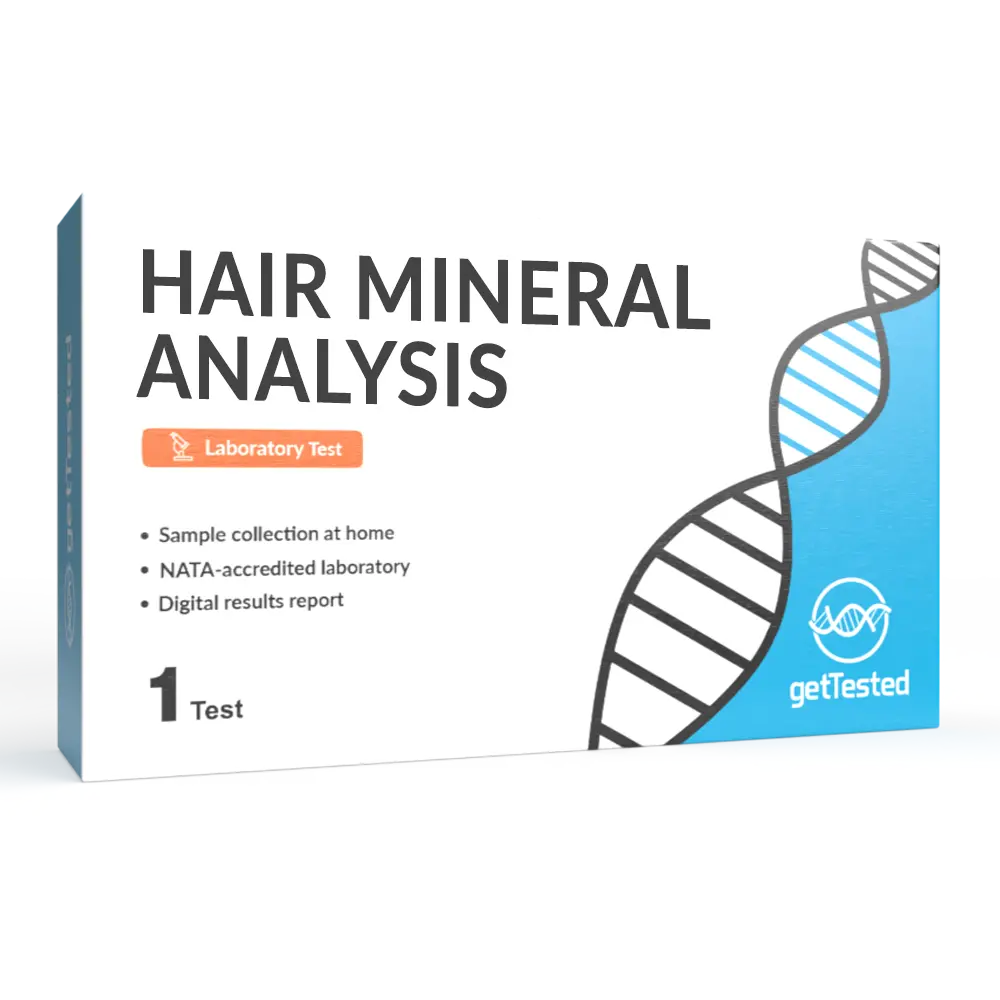
Discover cellular health with our Hair Tissue Mineral Analysis. Fast 7-day results for 35 elements including heavy metals & minerals. Shop GetTested today.
Product details: AUD 409 — InStock — SKU 5014 — GetTested
About this test – Hair Mineral Analysis
What this test measures
The Hair Mineral Analysis includes a wide range of essential minerals and toxic elements:
Minerals and trace elements
Boron, Calcium, Cobalt, Chromium, Copper, Iron, Germanium, Iodine, Lithium, Magnesium, Manganese, Molybdenum, Selenium, Strontium, Vanadium, Tungsten, Zinc
Toxic metals
Aluminum, Antimony, Arsenic, Barium, Beryllium, Bismuth, Cadmium, Mercury, Nickel, Lead, Palladium, Platinum, Silver, Thallium, Tin, Titanium, Uranium, Zirconium
Why test your mineral status?
Minerals play a key role in many biological processes, and imbalances can develop over time due to diet, stress, or environmental exposure. At the same time, toxic metals can accumulate gradually and may go unnoticed.
This test may be relevant when exploring:
Long-term exposure to heavy metals
Potential mineral deficiencies or imbalances
Environmental toxin exposure
Unexplained or chronic health concerns
How it works
Collect a small hair sample at home
Send your sample to the laboratory using the prepaid return envelope
Your sample is analysed at an accredited laboratory
Receive your digital results within 7 days
You can also use our AI-based chat to better understand your results.
Key information
Sample type: Hair
Turnaround time: 7 days from when the lab receives your sample
Results: Delivered digitally
Laboratory: Accredited laboratory
Shipping: Return shipping included
Accredited Laboratory
Your sample is analysed at a NATA-accredited laboratory in Australia, operating in accordance with ISO 15189 standards for medical testing. This ensures that all analyses are performed using validated methods with strict quality control.
Biomarkers included – Hair Mineral Analysis
- Chromium: Minerals and trace elements — Chromium (Cr), in trace amounts, is an essential nutrient that supports glucose metabolism and insulin function. While beneficial in its nutritional form, certain types — such as hexavalent chromium (Cr⁶⁺) — are highly toxic and carcinogenic. Excessive exposure can harm the skin, respiratory system, and kidneys, leading to serious health complications.
- Lithium: Minerals and trace elements — Lithium (Li) is a naturally occurring element, known primarily for its use in psychiatric treatment. In trace amounts, lithium may influence mood stability and mental health. Emerging research suggests that small doses of lithium could support cognitive function, mood enhancement, and neuroprotection, highlighting its potential role in neurological health.
- Iodine: Minerals and trace elements — The iodine (I) level is a measure of the body’s supply of a vital mineral essential for thyroid health. Iodine plays a key role in the production of thyroid hormones, which regulate metabolism, growth, and energy production. While iodine is naturally found in seafood, dairy, and some grains, deficiency is common, particularly in regions with iodine-poor soil. Insufficient iodine can lead to thyroi
- Manganese: Minerals and trace elements — Manganese (Mn) is an essential nutrient that supports several critical functions in the body, including bone formation, blood clotting, and reducing inflammation. It plays a key role in metabolism by aiding the digestion and conversion of nutrients into energy. Additionally, manganese helps strengthen the body’s antioxidant defenses. Good dietary sources of manganese include whole grains, nuts, le
- Copper: Minerals and trace elements — Copper is an essential trace mineral involved in many biological functions, including iron metabolism and red blood cell formation, connective tissue and bone development, and immune function. It serves as a cofactor for numerous enzymes and supports energy production as well as antioxidant defense systems. Both low and high copper levels can affect health, with potential impacts on neurological f
- Calcium: Minerals and trace elements — Calcium is an essential mineral needed for bone and teeth structure, muscle contraction, nerve signaling, blood clotting, and many enzyme-driven processes. Most of the body’s calcium is stored in bones and teeth, while a small amount circulates in the blood and is tightly regulated. Abnormal calcium levels can be associated with a range of issues, including bone turnover changes, parathyroid or vi
- Boron: Minerals and trace elements — Boron is a trace mineral that supports bone strength, cognitive function, and hormonal balance. It aids the body’s absorption of magnesium and calcium, helping protect against osteoporosis. Boron also contributes to mental clarity and overall brain performance. Naturally found in foods like apples, oranges, nuts, beans, and leafy vegetables, it is easily incorporated into a healthy diet.
- Molybdenum: Minerals and trace elements — Molybdenum (Mo) is a trace mineral that supports essential enzymatic processes in the body. It plays a key role in detoxifying harmful sulfites and breaking down amino acids. Although molybdenum deficiency is uncommon, maintaining adequate levels is important for overall health. Good dietary sources include legumes, grains, nuts, and dairy products, which help support natural detoxification and he
- Cobalt: Minerals and trace elements — Cobalt is an essential trace mineral found as part of vitamin B12, which is vital for nerve function, red blood cell formation, and DNA synthesis. It is required in very small amounts, and deficiency can cause symptoms similar to vitamin B12 deficiency. While essential for health, excessive cobalt exposure can be harmful, potentially affecting the heart, lungs, and thyroid.
- Vanadium: Minerals and trace elements — Vanadium is a trace mineral that may support blood sugar regulation and insulin sensitivity. Found in foods like mushrooms, shellfish, black pepper, and grains, it has shown potential in diabetes management. However, its effectiveness and safety remain under investigation, as high doses can be toxic.
- Zinc: Minerals and trace elements — Zinc is an essential trace mineral crucial for numerous bodily functions, including immune system function, wound healing, DNA synthesis, and cell division. It plays a vital role in the activity of over 300 enzymes and is essential for growth and development during pregnancy, childhood, and adolescence. Maintaining adequate zinc levels is important for overall health and preventing immune deficien
- Magnesium: Minerals and trace elements — Magnesium is an essential mineral crucial for over 300 biochemical reactions in the body, including muscle and nerve function, blood glucose control, and blood pressure regulation. It also plays a vital role in bone health, DNA, RNA, and protein synthesis. Maintaining optimal magnesium levels is important for overall health and preventing various chronic diseases.
- Iron: Minerals and trace elements — Iron is an essential mineral critical for oxygen transport, energy production, and cellular function throughout the body. It is a key component of hemoglobin in red blood cells and myoglobin in muscles, enabling oxygen delivery to tissues. Iron also plays vital roles in DNA synthesis, immune function, and cognitive development. Measuring iron levels helps diagnose anemia, assess nutritional status
- Strontium: Minerals and trace elements — Strontium is a trace mineral that, like calcium, supports bone strength and may help reduce the risk of osteoporosis. It is naturally found in foods such as seafood, whole grains, and vegetables. While beneficial in small amounts, excessive intake can interfere with calcium absorption, highlighting the importance of maintaining proper mineral balance.
- Selenium: Minerals and trace elements — Selenium is an essential trace mineral that plays a crucial role in antioxidant defense, thyroid hormone metabolism, and immune function. It acts as a cofactor for selenoproteins, enzymes that protect cells from oxidative damage and are vital for DNA synthesis and reproduction. Measuring selenium levels can indicate nutritional status and potential risks for various health conditions related to de
- Tungsten: Minerals and trace elements — Tungsten, also known as wolfram, is a naturally occurring trace element found in minerals, rocks, soil and water. It is a dense, hard metal with a very high melting point, which makes it useful in industrial and technological applications such as metal alloys, electronics, tools, lighting components and high temperature materials. In the body, tungsten is not considered an essential nutrient, mean
- Germanium: Minerals and trace elements — Germanium is a naturally occurring trace element found in the earth’s crust, soil, water, plants and small amounts in some foods. It is a metalloid, meaning it has properties between a metal and a non metal. Germanium is used in several industrial and technological applications, including electronics, fibre optics, infrared optics and some alloys. In the body, germanium is not considered an essent
- Bismuth: Toxic metals — Bismuth (Bi) is a heavy metal commonly found in cosmetics, pharmaceuticals, and certain alloys. While generally considered safe, excessive exposure, particularly from medications containing bismuth, can lead to toxicity. Bismuth toxicity may cause neurological symptoms, including confusion and poor coordination. The primary route of exposure to bismuth is through ingestion of bismuth-containing pr
- Platinum: Toxic metals — Platinum (Pt) is a precious metal used in automotive catalytic converters, jewelry, and chemotherapy drugs. While valuable, it can pose health risks when inhaled or through prolonged skin contact. Exposure may cause allergic reactions, respiratory problems, and skin irritation, particularly for workers in industries handling platinum or individuals wearing platinum-based jewelry. Proper protective
- Antimony: Toxic metals — Antimony is a metalloid used in flame retardants, electronics, and alloys. Exposure to antimony can be toxic, potentially causing respiratory irritation, skin issues, and, in severe cases, heart and lung problems. Individuals working in industries that handle antimony or living near manufacturing sites may face higher exposure risks, and proper safety measures and environmental monitoring can help
- Cadmium: Toxic metals — Cadmium (Cd) is a toxic heavy metal with no beneficial role in the human body. Prolonged exposure to cadmium can cause serious health problems, including kidney damage, weakened bones, and a higher risk of cancer. Because cadmium accumulates in the body over time, even low-level exposure poses a concern for long-term health.
- Uranium: Toxic metals — Uranium, a radioactive element used in nuclear power and weapons, poses health risks primarily through radiation exposure and chemical toxicity. Ingestion or inhalation of uranium can damage the kidneys and increase the risk of cancer due to its radioactivity. The most significant exposure risks come from living near mining, processing plants, or contaminated areas. Reducing exposure involves usin
- Thallium: Toxic metals — Thallium (Tl) is a heavy metal that poses significant health risks upon exposure. It can cause symptoms such as hair loss, nerve damage, and digestive issues. Common sources of thallium exposure include contaminated water, certain industrial processes, and its past use in rat poison. Although its use in consumer products has declined, thallium remains a hazard in industrial settings. Exposure to t
- Mercury: Toxic metals — Mercury is a naturally occurring heavy metal found in certain products such as thermometers and dental fillings. While low exposure is generally harmless, excessive levels can be toxic, affecting the nervous, digestive, and immune systems. High mercury exposure may cause symptoms like tremors, sleep disturbances, and cognitive impairment, and it poses significant environmental risks, particularly
- Lead: Toxic metals — Lead is a toxic heavy metal with no beneficial role in the human body. Exposure to lead can cause serious health problems, especially affecting the nervous system. Even low levels of lead can impact multiple body systems, with children being particularly vulnerable to developmental delays and cognitive impairments.
- Palladium: Toxic metals — Palladium is a metal used in electronics, jewelry, and dental materials. While useful in various industries, high levels of inhalation or ingestion can be toxic, particularly in occupational settings. Exposure may cause respiratory, skin, and digestive issues, and some individuals may develop allergic reactions such as dermatitis.
- Barium: Toxic metals — Barium (Ba) is a soft, silvery metal used in various industries, including manufacturing and medical diagnostics. While barium sulfate used in medical imaging is considered safe, exposure to soluble barium compounds can be harmful. Such exposure may affect the heart, cause muscle weakness, and damage the kidneys and liver. Industrial workers and individuals near barium processing plants are at hig
- Zirconium: Toxic metals — Zirconium is a metal commonly used in dental implants and various consumer products. While pure zirconium is generally safe, some of its compounds can irritate the lungs if inhaled. Care should be taken when handling zirconium-containing powders or sprays to prevent respiratory irritation.
- Beryllium: Toxic metals — Beryllium is a lightweight metal used in aerospace, electronics, and nuclear industries. Exposure to beryllium dust or fumes can pose health risks, including chronic beryllium disease (CBD), a serious lung condition, and skin disorders such as dermatitis. The highest risk of exposure occurs in industrial settings where beryllium is processed or machined.
- Aluminium: Toxic metals — Aluminum (Al) is a harmful heavy metal that can pose health risks to the human body. Exposure to excessive levels of aluminum, often through diet or environmental sources, has been linked to neurotoxicity and may be associated with conditions such as Alzheimer's disease. Monitoring and reducing aluminum exposure is important for supporting overall health and well-being.
- Arsenic: Toxic metals — Arsenic is a naturally occurring element that can be highly toxic to humans. Found in soil, water, and certain industrial materials, it disrupts normal cellular processes and is classified as a carcinogen. Even at low levels, arsenic exposure can pose significant risks to health, affecting multiple organs and systems.
- Titanium: Toxic metals — Titanium (Ti) is a metal widely used in medical implants, cosmetics, and paints, valued for its strength and resistance to corrosion. While elemental titanium is generally considered safe, inhalation of titanium dioxide (TiO₂) particles, particularly in powder form, can pose respiratory risks. Individuals working in industries that process titanium materials or using certain cosmetic products may
- Tin: Toxic metals — Tin (Sn) is a metal commonly found in alloys, food packaging, and electronics, and is generally considered to have low toxicity. However, certain organic tin compounds used in industrial processes can pose health risks, including skin and eye irritation, digestive issues, and in severe cases, neurological effects. Individuals handling tin in manufacturing or using tin-containing products should be
- Nickel: Toxic metals — Nickel (Ni) is a naturally occurring metal and widely used industrial element. In trace amounts, it is generally harmless, but excessive exposure can cause health issues such as skin irritation, allergic dermatitis, and respiratory problems. Nickel is also classified as a potential carcinogen, with higher risks observed in occupational environments where exposure levels are elevated.
- Silver: Toxic metals — Silver is a metal with diverse applications in industry and medicine, but it can become toxic with significant human exposure. While small amounts occur naturally in the environment and consumer products, excessive exposure can lead to health concerns such as argyria — a condition that permanently turns the skin blue-gray. Ingesting, inhaling, or contacting silver compounds can cause argyria and m
How to prepare – Hair Mineral Analysis
Ensure hair is clean and free of styling products. Avoid using medicated shampoos for 48 hours prior to collection. If hair is chemically treated, wait for new growth.
Frequently asked questions – Hair Mineral Analysis
How does hair analysis differ from a blood test?
Blood tests measure circulating levels which the body keeps stable (homeostatic). Hair measures cellular storage and metabolic activity over a 3-month period, often revealing deficiencies that blood tests miss, ensuring higher long-term accuracy for chronic issues.
How much hair is required for the sample?
Cut a small amount of hair from the first 3–4 cm closest to the scalp, ideally from the nape of the neck. Around one tablespoon of hair is sufficient for the analysis.
Can I take the test if I have dyed or treated hair?
Chemical treatments can affect results for certain minerals like Calcium or Magnesium. For the most accurate mineral deficiency test at home, it is recommended to wait for 1-2 inches of untreated new growth before collecting your sample.
Customer reviews – Hair Mineral Analysis
4.6/5 (5)
- 5/5 — The process was simple and I got my report in under a week.
- 5/5 — The lab report was very detailed and easy to read on my phone. Glad I finally checked my heavy metal levels.
- 4/5 — Good insights into my mineral levels, though cutting the hair was a bit tricky by myself. Very professional report.
- 4/5 — Straightforward kit that does exactly what it says.
- 5/5 — Super easy to follow instructions and fast results!